Beyond Limits: Neuroplasticity and the Unlimited Potential of the Human Brain
Introducing the Concept of Neuroplasticity:
Neuroplasticity, often referred
to as "brain plasticity", is the brain's ability to change and adapt
in response to experience, learning, and the external environment. This concept
implies that the brain is not tied to a fixed structure, but rather has the
ability to remodel itself through the formation, adjustment, and elimination of
synaptic connections between neurons.
The importance of neuroplasticity
in understanding the potential of the human brain cannot be ignored. Before
this concept was widely recognized, many experts believed that the human brain
only had certain "critical" periods during which development and learning
could occur, and after that, the brain became static. However, recent
neurological research has proven otherwise.
Why Neuroplasticity is Important:
·
Lifelong Learning Potential: With
neuroplasticity, we understand that the human brain's ability to learn and
develop has no time or age limits. This means that everyone has the opportunity
to continue developing new skills and gaining knowledge throughout their lives.
·
Brain Injury Rehabilitation: For individuals who
have experienced a traumatic brain injury or neurological disease,
neuroplasticity offers hope for a better recovery. Through appropriate therapy,
the brain can build new neural pathways to overcome damage and restore impaired
function.
·
Prevention of Neurodegenerative Diseases:
Studies show that cognitive stimulation and diverse mental activities can help
maintain brain health and reduce the risk of developing neurodegenerative
diseases such as Alzheimer's and Parkinson's. Neuroplasticity plays an
important role in this process by allowing the brain to remain active and adapt
over time.
With a deeper understanding of
neuroplasticity, we can understand that the potential of the human brain is
much greater than we previously imagined. This opens the door to new
discoveries, innovative therapies, and a better understanding of the natural
complexities of the human mind.
Introducing Neuroplasticity: The Unlimited
Potential of the Human Brain
Neuroplasticity is the ability of
the human brain to undergo structural and functional changes in response to
experience, learning, and adaptation to new environments. This concept has
changed our view of the human brain, opening the door to a deeper understanding
of our cognitive potential that was previously thought impossible.
Traditionally, the human brain is
considered a static organ after its development in early life. However, the
understanding of neuroplasticity has disproved this view. Today, we realize
that the brain is capable of not only changing, but even developing throughout
life.
Neuroplasticity allows the brain
to continue developing through various processes, including:
- Synaptogenesis: The formation of new
synapses between neurons, which strengthen or weaken the connections
between nerve cells.
- Synaptic Pruning: The process by which
inactive or inefficient synapses are removed, increasing the efficiency of
a neural network.
- Neurogenesis: The formation of new neurons,
mainly occurs in certain brain areas such as the hippocampus, which is
related to learning and memory.
- Cortical Remapping: The ability of the brain
to remapping certain functions to different areas in the brain's cortex in
response to injury or environmental changes.
This means that, even as we age,
our brains still have the ability to learn new things, adapt to environmental
changes, and even repair themselves after injury or illness.
By understanding neuroplasticity,
we gain deep insight into the limitless potential of the human brain. This
opens the door to the development of more effective learning, rehabilitation
and brain health care strategies. By harnessing the potential of
neuroplasticity, we can surpass previously thought impossible limits in human
brain development and health.
In the next section, we will
further explore how neuroplasticity impacts various aspects of our lives and
its implications in the fields of neurology and brain health.
Basics of Neuroplasticity:
Neuroplasticity Definition: Brain Resilience and
Adaptation
Neuroplasticity refers to the
brain's ability to change the structure and function of neurons and synapses in
response to experience, learning, and adaptation to the environment. This is a
fundamental concept in modern neurology which emphasizes that the brain is not
a static organ, but continues to change and develop throughout life.
Changes in Neurons and
Synapses: Foundations of Neuroplasticity
Neurons, the nerve cells that
make up brain tissue, have the ability to change in several ways that support
the concept of neuroplasticity:
- Structural Changes in Neurons: Neurons can
experience changes in their physical morphology, such as the growth of new
dendrites and axons or changes in the shape and size of nerve cells.
- Synaptic Modifications: Synapses, the
connections between neurons that allow the transmission of electrical and
chemical signals, may undergo changes in strength or effectiveness. This
process may involve an increase or decrease in the amount of
neurotransmitter released, or a change in the sensitivity of the
postsynaptic receptor.
- Functional Remapping: The brain can
reorganize its functional mapping, meaning that certain functions can be
taken over by different areas in the brain's cortex in response to
changing conditions or the environment.
These changes occur as a result
of continuous neuronal activity and the experiences we experience every day.
For example, when we learn something new, such as playing a musical instrument
or a foreign language, the neurons involved in the learning process will
undergo structural and synaptic changes to strengthen relevant connections.
Likewise, when we suffer a brain injury or experience a neurological disease,
neuroplasticity allows the brain to reorganize itself to minimize damage and
facilitate recovery.
Thus, neuroplasticity is a
fascinating concept because it shows the extraordinary flexibility of the human
brain in overcoming challenges and exploiting new opportunities. A deeper
understanding of these neuroplasticity processes paves the way for the
development of innovative therapies in brain injury rehabilitation, treatment
of neurodegenerative diseases, and enhancement of cognitive performance.
Neuroplasticity: Dynamics of Brain Change
Neuroplasticity is the ability of
the human brain to undergo structural and functional changes in response to
experience, learning, and adaptation to new environments. This concept is based
on the fact that the brain is not static, but has the ability to continue to
develop and adapt throughout life.
Structural Changes:Structural
changes in the brain occur through processes such as synaptogenesis and
synaptic pruning. Synaptogenesis is the process of forming new synapses between
neurons, which is the main communication pathway in the brain. When we learn
something new, new synapses are formed or existing synapses are strengthened to
strengthen the connections between neurons. This allows information to be
conveyed more efficiently in the brain.
On the other hand, synaptic
pruning involves the removal of inactive or inefficient synapses. This is an
important process for optimizing the efficiency of neural networks and ensuring
that our brains are not burdened with unnecessary connections. Synaptic pruning
also allows the brain to reorganize communication pathways to meet changing
environmental demands or to repair damage that may have occurred.
Functional Changes:Functional
changes in the brain occur when neuronal activity changes, affecting how
cognitive functions and behavior are regulated. For example, when we learn
something new, such as speaking a foreign language or playing a musical
instrument, areas of the brain involved in language processing or motor
coordination experience changes in activity. This is accompanied by
improvements in the performance of related tasks and behavioral adaptations.
In addition, the brain also has
the ability to remapping certain functions to different areas in the brain's
cortex in response to injury or environmental changes. For example, if part of
the brain is damaged due to injury, the brain can adapt by remapping those
functions to areas that still function normally, allowing recovery of those
functions.
Through structural and functional
changes like these, the human brain is able to adapt itself to an ever-changing
environment and continues to develop throughout life. By understanding and
harnessing this neuroplasticity, we can develop more effective learning
strategies, improve post-injury rehabilitation, and design better interventions
in the fields of brain health and neurology.
Neuroplasticity Mechanisms:
Biological Processes Behind Neuroplasticity
Neuroplasticity, the brain's
ability to adapt and develop, is supported by a number of complex biological
processes. These processes include synaptic pruning, neurogenesis, and the
formation of new synaptic pathways, which work together to form and repair
brain networks and optimize cognitive function.
1. Synaptic Pruning: Synapticpruning is a process in which the brain actively removes inactive or
inefficient synapses. This occurs primarily during brain development in
childhood and adolescence, but also occurs throughout life. The main goal of
synaptic pruning is to increase the efficiency of neural networks by
eliminating unnecessary connections and strengthening important connections. This
process is viewed as an important mechanism for establishing and repairing
optimal neural circuits.
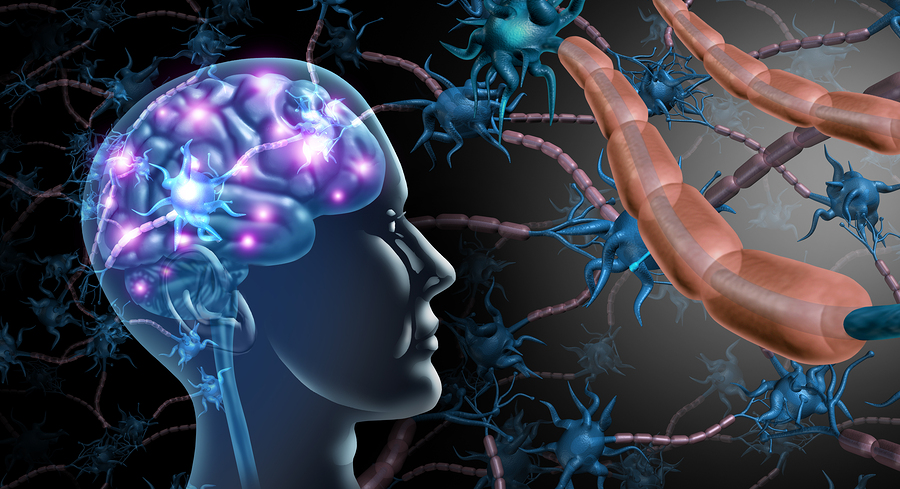
2. Neurogenesis (Formation of
New Neurons):Neurogenesis is the process in which new neurons are formed
from neural stem cells, or neurostem cells, in the brain. This is especially
true in certain areas such as the hippocampus, which is involved in learning
and memory. Neurogenesis is an important process in maintaining the continuity
and flexibility of brain tissue, as well as in brain healing after injury.
Studies show that neurogenesis can be influenced by various factors such as
physical exercise, sleep patterns, and environmental factors.
3. Formation of New Synaptic
Pathways:The formation of new synaptic pathways, or synaptogenesis, is the
process by which new synapses are formed between neurons. This occurs primarily
in response to new learning or new experiences that require the formation of
new brain connections. This process allows the brain to adapt to changing
environments and expands its capacity to store and process new information.
These three processes work
together to form the basis of neuroplasticity, which allows the brain to
continue to develop and adapt throughout life. By understanding these
mechanisms, scientists can design more effective interventions to promote brain
health, repair impaired brain function, and improve brain learning and
adaptation.
The Role of Neurotransmitters and Nerve Growth Factors in Neuroplasticity
Neurotransmitters and nerve
growth factors play an important role in facilitating brain changes through neuroplasticity.
These two components interact in a complex manner to regulate neuronal activity
and control the biological processes underlying the formation, maintenance, and
remodeling of synaptic pathways in the brain.
1. Neurotransmitters:
Neurotransmitters are chemical
compounds that act as signaling agents between neurons in the nervous system.
They play a key role in regulating neuron activity and communication between
nerve cells in the brain. Some well-known neurotransmitters include:
- Glutamate: It is the main excitatory
neurotransmitter in the brain, which plays a role in facilitating learning
and memory and increasing synaptic activity.
- Gamma-aminobutyric acid (GABA): It is the
main inhibitory neurotransmitter that plays a role in inhibiting neuronal
activity, playing an important role in impulse control and anxiety
regulation.
- Dopamine: It is a neurotransmitter involved
in various cognitive and motivational functions, as well as in learning,
reward, and movement.
- Serotonin: Plays a role in the regulation of
mood, sleep, appetite, and other cognitive functions.
Changes in neurotransmitter
concentration or activity can influence neuroplasticity in various ways. For
example, increasing glutamate or dopamine concentrations can increase synaptic
activity and facilitate learning and the formation of new synaptic pathways.
Conversely, decreasing the activity of inhibitory neurotransmitters such as
GABA can increase synaptic plasticity and facilitate adaptation to a changing
environment.
2. Nerve Growth Factor:
Nerve growth factors are proteins
that play a role in regulating the growth, differentiation and survival of
nerve cells. They play a key role in neuroplasticity by facilitating neuron
regeneration, formation of new synapses, and repair of brain tissue after
injury. Some important nerve growth factors include:
- Nerve Growth Factor (NGF): Responsible for
growth, differentiation, and survival of neurons.
- Brain-Derived Neurotrophic Factor (BDNF):
Plays an important role in the formation of new synapses, learning, and
memory.
- Neurotrophin-3 (NT-3): Plays a role in the
development and differentiation of neurons and maintenance of synapses.
Nerve growth factor works by
binding to specific receptors on the surface of nerve cells, activating
internal signaling pathways that influence gene activity and biological
processes that facilitate neuroplasticity.
Through complex interactions
between neurotransmitters and nerve growth factors, the human brain can
continue to adapt, learn, and develop throughout life. A deeper understanding
of their role in neuroplasticity paves the way for the development of therapies
that are more effective in treating neurological disorders, repairing impaired
brain function, and maximizing human cognitive potential.
Neuroplasticity in Learning and Skill Building:

Impact of Neuroplasticity on Learning and
Adaptation Abilities
Neuroplasticity has a significant
impact on the learning and adaptation capabilities of the human brain. The
brain's ability to change and adapt throughout life allows individuals to
acquire new knowledge, develop new skills, and adapt to changing environments.
Following are some of the ways in which neuroplasticity impacts learning and
adaptation abilities:
1. Formation of New Synaptic
Pathways:When a person learns something new, such as a new language or
motor skill, neuroplasticity allows the formation of new synaptic pathways in
the brain. The process of synaptogenesis produces new synaptic connections between
neurons involved in processing newly learned information. This allows
individuals to improve their learning abilities and acquire new skills.
2. Strengthening Synaptic
Connections:In addition to the formation of new synaptic pathways,
neuroplasticity also allows the strengthening of existing synaptic connections.
When new information is learned or a new experience is experienced, active
synapses are strengthened through a process called long-term potentiation
(LTP). This increases the efficiency of signal transmission between the neurons
involved, strengthening connections relevant to new learning.
3. Cognitive Flexibility:Neuroplasticity
also allows the brain to remap cognitive functions to different areas in the
brain's cortex in response to experience and learning. For example, if a person
loses language skills due to a brain injury, the brain can adapt by remapping
language functions to areas that still function normally. This shows the
brain's cognitive flexibility in adapting to changing conditions.
4. Adaptation to the
Environment:Neuroplasticity allows individuals to more easily adapt to
changing environments. The brain's ability to form new synaptic pathways or
strengthen relevant connections allows individuals to acquire new knowledge and
skills necessary to function effectively in new environments. This could be a
change in employment, education, or other life situations.
Thus, neuroplasticity plays an
important role in facilitating learning throughout life and adaptation to
changing environments. A deeper understanding of these neuroplasticity
processes can help us design more effective learning strategies, improve
adaptive skills, and maximize our cognitive potential.
Uncovering the Role of Neuroplasticity in Improving Skills: A Review of Recent
Research
Neuroplasticity has been the
focus of intensive research in understanding the human brain's ability to
acquire and improve skills throughout life. Recent studies and research have
deeply explored the role of neuroplasticity in a variety of contexts, including
the development of language skills, music, and sports. Here is a brief overview
of the latest research findings in this area:
1. Language Development:Neuroplasticity
studies in the context of language learning show that the brain has a remarkable
ability to adapt to new languages. Research has shown that learning a second or
foreign language can trigger structural changes in the brain, including an
increase in the volume of brain areas associated with language processing.
Neuroplasticity also plays a role in increasing fluency in speaking and
understanding new languages through the formation and strengthening of
relevant synaptic pathways.
2. Music Learning:Learning
music is an excellent example of how neuroplasticity influences skill development.
Research has shown that regular musical practice can improve brain structure,
especially in areas involved in auditory, motor, and emotional processing.
Neuroplasticity enables improved synaptic connections between neurons in
musicians' brains, allowing them to develop fine motor skills, harmony
understanding, and complex musical interpretation.
3. Improved Muscle Performance
and Coordination:In the context of sports, neuroplasticity also plays a key
role in improving motor skills, muscle strength and coordination. Recent
studies have highlighted that regular physical exercise can induce structural
and functional changes in the brain, including an increase in the volume of
brain areas involved in motor control and movement coordination. Neuroplasticity
facilitates the brain's adaptation to physical exercise, allowing sports
players to significantly improve their performance.
These research findings confirm
that neuroplasticity plays a key role in the development of human skills and
performance in a variety of contexts, from language and music to sports. A
deeper understanding of these neuroplasticity processes can help us design more
effective learning methods, more optimal training programs, and more
sophisticated interventions in human skill development.
Uncovering the Role of Neuroplasticity in
Improving Skills: A Review of Recent Research

Neuroplasticity, the brain's
ability to change and adapt, has been a fascinating subject of research in
understanding how humans acquire and improve their skills. Recent studies and
research have advanced our understanding of how neuroplasticity influences
skill development in a variety of contexts, including language, music, and
sport. Here is an overview of some recent research findings:
1. Language Learning:Research
has shown that neuroplasticity plays an important role in acquiring language
skills. Recent studies using neuroimaging techniques have revealed that
learning a new language can produce structural changes in the brain, especially
in areas involved in language processing. For example, increases in cerebral
cortex volume and changes in synaptic activity have been seen in individuals
learning a second language. Neuroplasticity also allows improved skills in
language comprehension and expression through adjustments of relevant synapses.
2. Musical Development:Recent
studies in the field of music have highlighted the impact of neuroplasticity in
the acquisition of musical skills. Research shows that intensive musical
practice can cause structural changes in the brain, including an increase in
the volume of brain areas involved in music processing. Additionally,
neuroplasticity allows for increased synaptic connections between neurons in
musicians' brains, which improves skills in playing musical instruments,
understanding musical notation, and improvisation.
3. Physical Exercise and
Sports:Sports is also an area where neuroplasticity plays an important role
in improving motor skills, muscle strength and coordination. Research has shown
that regular physical exercise can produce structural and functional changes in
the brain, including an increase in the volume of brain areas involved in motor
control and movement coordination. Neuroplasticity facilitates the brain's
adaptation to physical exercise, allowing for improved performance in certain
sports and the development of fine motor skills.
Through these recent studies, we
increasingly understand how important neuroplasticity is in facilitating human
learning and skill development in a variety of contexts. By leveraging this
understanding, we can design more effective learning strategies, more optimal
training programs, and more sophisticated interventions to improve human skills
and performance.
Neuroplasticity in Brain Injury Recovery and
Neurological Disorders:
Utilization of Neuroplasticity
in Rehabilitation of Traumatic Brain Injury, Stroke, and Neurodegenerative
Diseases
Neuroplasticity has an important
role in the rehabilitation of patients who have experienced traumatic brain
injury (CT), stroke, and neurodegenerative diseases. The brain's ability to
adapt and repair itself through neuroplasticity allows for recovery and
improvement of cognitive, motor and sensory functions in patients experiencing
neurological disorders. Following are the ways in which neuroplasticity is used
in the rehabilitation of various neurological conditions:
1. Traumatic Brain Injury (CT)
Rehabilitation:Patients with CT often experience structural and functional
damage in their brains. However, neuroplasticity allows the brain to repair
itself largely through rejuvenation and remapping of neural circuits.
Rehabilitation programs focused on cognitive exercises, physiotherapy, and
speech therapy regularly utilize the principles of neuroplasticity to improve
cognitive, motor, and communication functions in patients. With the right
stimulus, the brain can repair and rebuild damaged or disrupted synaptic
pathways, allowing for better recovery from traumatic brain injury.
2. Post Stroke Rehabilitation:Stroke
causes brain damage due to disruption of blood flow to certain areas of the
brain. However, neuroplasticity allows the brain to remap impaired functions to
areas that still function normally, as well as facilitating the formation of
new synaptic pathways. Post-stroke rehabilitation therapies, such as
physiotherapy, speech therapy, and occupational therapy, rely on the principles
of neuroplasticity to help patients restore muscle strength, movement
coordination, and language skills. Appropriate and intensive interventions can
stimulate neuroplasticity, speed up the patient's recovery process, and improve
their quality of life.
3. Treatment of
Neurodegenerative Diseases:Neurodegenerative diseases such as Alzheimer's,
Parkinson's, and ALS (amyotrophic lateral sclerosis) progressively damage
neurons in the brain, causing a decline in cognitive, motor, and sensory
function. Although it cannot cure the disease, neuroplasticity is used in the
treatment of neurodegenerative diseases to slow deterioration and maintain
remaining brain function. Rehabilitation programs that include cognitive
exercises, physiotherapy, and speech therapy are designed to stimulate
neuroplasticity, improve quality of life, and slow disease progression.
In all cases, effective
rehabilitation approaches utilize the principles of neuroplasticity to promote
recovery and improvement of brain function in patients. By understanding and
harnessing the potential of neuroplasticity, rehabilitation professionals can
design more effective interventions and maximize outcomes for patients
experiencing neurological disorders.
Neuroplasticity Therapies and
Interventions to Improve Patient Recovery and Quality of Life
Neuroplasticity therapies and
interventions are approaches applied in a variety of neurological conditions to
facilitate recovery and improve the patient's quality of life. This approach
exploits the brain's ability to change and adapt throughout life through the
process of neuroplasticity. Here are some commonly used neuroplasticity
therapies and interventions:
1. Exercise Oriented Therapy: Exercise-oriented
therapy is a rehabilitation approach that involves repeated targeted exercises
to strengthen relevant synaptic pathways in the brain. Examples include
physiotherapy exercises to improve muscle strength and movement coordination,
as well as cognitive exercises to improve cognitive functions such as memory,
attention and problem solving. By providing the right stimulus through
structured exercises, exercise-oriented therapy stimulates neuroplasticity and
facilitates better recovery.
2. Speech and Occupational
Therapy: Speech and occupational therapy is therapy designed to help
patients overcome difficulties in communicating, carrying out daily activities,
and acquiring the skills necessary for independence. Therapists in this field
use a variety of techniques, such as speech exercises, cognitive games, and
fine motor exercises, to stimulate neuroplasticity in the patient's brain.
Thus, speech and occupational therapy not only helps improve impaired brain
function, but also improves the patient's overall quality of life.
3. Sensory Therapy: Sensorytherapy is an approach that integrates sensory stimuli to stimulate brain
activity and improve sensory function in patients. This may involve using
techniques such as music therapy, art therapy, or focused movement therapy to
improve sensory perception, coordination, and social interaction. Sensory
therapy stimulates neuroplasticity by providing diverse sensory stimuli,
allowing the brain to adapt and repair impaired sensory functions.
4. Assistive Technology and
Rehabilitation Games: Assistive technology and rehabilitation games use a
variety of devices and computer programs specifically designed to stimulate
neuroplasticity and improve recovery. Examples include virtual reality devices
for motor training, brain game apps for cognitive training, and sensory devices
for movement therapy. By combining advanced technology with the principles of
neuroplasticity, this therapy provides patients with an engaging and effective
experience in improving their brain function.
By utilizing appropriate
neuroplasticity therapies and interventions, patients with a variety of
neurological conditions can gain significant benefits in their recovery and
improve their quality of life. This targeted, evidence-based approach allows
rehabilitation professionals to design more effective programs and maximize a
patient's recovery potential.
Optimizing Neuroplasticity for Optimal Brain
Health:
Factors Influencing Positive
Neuroplasticity: Exploring the Role of Nutrition, Exercise, Sleep, and
Cognitive Stimulation
Neuroplasticity, the brain's
ability to change and adapt throughout life, is influenced by a number of
factors, including nutrition, exercise, sleep, and cognitive stimulation.
Understanding the role and influence of these factors can help us optimize
brain neuroplasticity and improve our health and quality of life. Here's an
explanation of how nutrition, exercise, sleep, and cognitive stimulation
positively affect neuroplasticity:
1. Nutrition: Proper
nutrition plays a key role in supporting neuroplasticity. Nutrients such as
omega-3 fatty acids, antioxidants, and B complex vitamins have been shown to
promote brain health and facilitate neuroplasticity processes. Foods rich in
these nutrients, such as fatty fish, colorful fruits and vegetables, nuts, and
seeds, can help improve cognitive function and strengthen synaptic pathways in
the brain.
2. Sports: Regular exercise
has been shown to stimulate neuroplasticity and improve brain function. Aerobic
exercise, resistance training, and motor coordination exercises have been shown
to increase brain volume, strengthen synaptic connectivity, and improve
cognitive performance. Exercise also helps increase blood flow to the brain,
providing necessary nutrients and removing harmful substances, all of which
support optimal brain health.
3. Sleep: Adequate and
quality sleep plays an important role in facilitating the neuroplasticity
process. During sleep, the brain consolidates memories and strengthens synaptic
pathways formed during active periods. Lack of sleep or insufficient sleep can
disrupt these processes, leading to decreased cognitive performance and
affecting the brain's ability to adapt. Therefore, maintaining a healthy and
consistent sleep pattern is essential to support positive neuroplasticity.
4. Cognitive Stimulation: Cognitivestimulation, such as learning a new language, playing brain games, or engaging
in mentally challenging activities, stimulates the brain's neuroplasticity.
These activities trigger the formation and strengthening of new synaptic
pathways, increase connections between neurons, and improve cognitive function.
Various technologies such as brain training apps and cognitive training
programs have been designed to provide cognitive stimulation that can improve
brain neuroplasticity.
By paying attention to these
factors and integrating them into our daily lifestyle, we can stimulate
positive neuroplasticity in our brain, improve brain health, and improve
overall quality of life.
Practical tips and strategies to improve
neuroplasticity and overall brain health in everyday life.
The following are some practical
tips and strategies to improve neuroplasticity and overall brain health in
everyday life:
- Healthy food:
- Eat foods rich in important brain nutrients, such
as omega-3 fatty acids (found in fatty fish, nuts, and seeds),
antioxidants (found in colorful fruits and vegetables), and vitamins B
complex (found in lean meats, dairy products, and green vegetables).
- Avoid foods that are high in sugar and saturated
fat which can cause inflammation and damage brain health.
- Regular Exercise:
- Do aerobic physical exercise, resistance training,
and motor coordination exercises regularly.
- Walking, running, cycling, or swimming can help
increase blood flow to the brain and facilitate neuroplasticity.
- Enough sleep:
- Make sure you get enough sleep every night,
ideally between 7-9 hours.
- Create a comfortable and dark sleeping environment
to help you sleep better.
- Cognitive Stimulation:
- Regularly do brain exercises, such as crossword
puzzles, sudoku, or other brain games.
- Learn something new every day, such as a foreign
language, musical skills, or other new skills.
- Stress Management:
- Find relaxation techniques that work for you, such
as meditation, yoga, or deep breathing.
- Avoid excessive stress and find ways to manage
stress well, such as by exercising, hanging out with friends, or writing
in a journal.
- Socialization:
- Maintain healthy social relationships with family,
friends and community.
- Be socially active, join group activities, and
don't hesitate to seek support from those closest to you.
- Quitting Smoking and Avoiding Excessive Alcohol
Consumption:
- Smoking and excessive alcohol consumption can
damage brain health and inhibit neuroplasticity.
- If you smoke, consider quitting, and limit your
alcohol consumption.
- Mentor and Keep Learning:
- Become a mentor to others or find a mentor
yourself.
- Stay open to new learning and don't hesitate to
engage in courses, seminars, or training to improve your knowledge and
skills.
By consistently applying these
tips in your daily life, you can improve your brain's neuroplasticity and
overall brain health. Remember that small changes made consistently can have a
big impact on your brain health and performance.
Comments
Post a Comment